Musk, Durov Slam WhatsApp Security: Backdoor Claims Unpacked
The digital landscape is a battleground for trust, especially when it comes to personal communication. Recently, a firestorm erupted around WhatsApp's security claims, fueled by prominent tech figures Elon Musk and Pavel Durov. Their vocal skepticism, ignited by a new class action lawsuit alleging hidden access to user messages, has thrown the spotlight back onto the perennial debate surrounding privacy in widely adopted messaging platforms. While WhatsApp vehemently rejects these accusations, labeling them "categorically false and absurd," the controversy has undeniably raised serious questions for millions of users worldwide.
Unraveling the Backdoor Allegations: A Class Action Lawsuit's Claims
At the heart of the current uproar is a newly filed class action lawsuit that levels significant charges against Meta's WhatsApp. The complaint argues that despite WhatsApp's widespread marketing as a fully end-to-end encrypted (E2EE) platform, a "backdoor" mechanism allegedly exists within its code. This purported vulnerability, the lawsuit claims, allows internal Meta staff, contractors from Ireland-based Accenture, and potentially other third parties to view private messages without users' knowledge or consent.
This isn't merely a speculative accusation; the legal filing contends that employees or contractors could bypass the encryption safeguards, granting them an unauthorized window into supposedly secure chats. If true, such a mechanism would fundamentally undermine the very promise of E2EE, which is designed to ensure that only the sender and intended recipient can read message content, leaving even the service provider unable to access the data. The implications of such a breach are profound, challenging the foundational principles of digital privacy and user trust that WhatsApp has long sought to cultivate. This specific lawsuit further fuels doubts, prompting many to ask:
Is WhatsApp Private? Class Action Fuels Backdoor Access Doubts, especially given these grave allegations.
Musk and Durov Stoke the Flames: "Can't Trust WhatsApp"
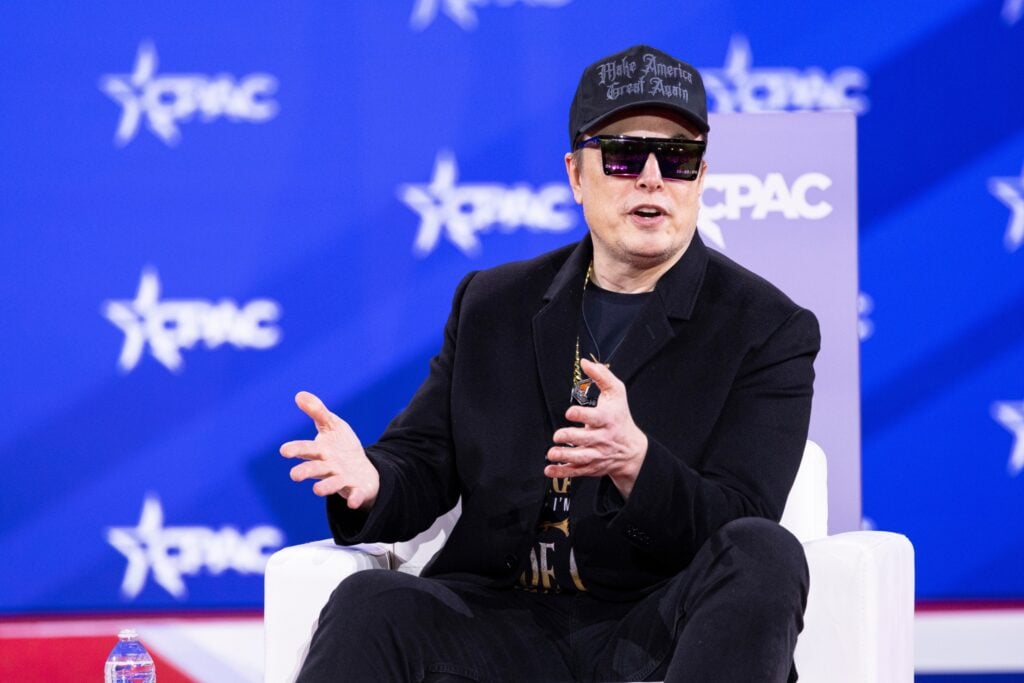
The class action lawsuit found powerful amplifiers in Elon Musk and Pavel Durov, two figures known for their influence in the tech world and their direct, often controversial, communication styles. Elon Musk, the CEO of X (formerly Twitter) and Tesla, weighed in with a succinct yet impactful post: "Can't trust WhatsApp." His statement, coming from a tech titan with a massive following, immediately garnered widespread attention and validation for the lawsuit's claims. Musk's endorsement added significant weight to the narrative of distrust, pushing the debate into mainstream consciousness.
Pavel Durov, the enigmatic founder of Telegram – WhatsApp's direct competitor – escalated the criticism even further. Durov, whose messaging app prides itself on its security and privacy features, launched a scathing attack on WhatsApp's encryption model, controversially labeling it "the biggest consumer fraud in history." He didn't mince words, alleging that WhatsApp "reads users’ messages and shares them with third parties," while asserting Telegram's unwavering commitment: "Telegram has never done this — and never will." Durov's historical rivalry with WhatsApp and his consistent championing of Telegram's security posture meant his comments resonated deeply within the privacy-conscious tech community, intensifying the scrutiny around what some might deem the "whatsapp security absurd" landscape.
The combined force of Musk's tweet and Durov's scathing remarks painted a grim picture for WhatsApp, creating a perception of widespread security failure even as the company fought back.
WhatsApp's Vehement Defense: The Signal Protocol and "Absurd" Claims
In response to the mounting pressure and grave accusations, WhatsApp mounted a robust defense, reaffirming its unwavering commitment to user privacy and security. The company's official account on X swiftly pushed back against the lawsuit's assertions, unequivocally calling them "categorically false and absurd." This direct rebuttal highlights the fundamental disagreement between the accusers and WhatsApp regarding the very nature of its security architecture. WhatsApp reiterated its long-standing position: only senders and recipients can read message content, thanks to its robust end-to-end encryption.
The cornerstone of WhatsApp's security claims is its reliance on the Signal Protocol, widely considered the gold standard for secure messaging. WhatsApp emphasized that its years of using this protocol are proof that "this prevents anyone other than the sender and intended recipient from accessing message content." By invoking the Signal Protocol, WhatsApp aims to leverage its reputation for cryptographic strength, suggesting that any claims of internal access or hidden mechanisms are technically impossible under their implemented security model. They firmly rejected any description of backdoor access, asserting that their system is designed precisely to prevent such intrusions.
However, beyond these public statements, WhatsApp has not provided additional granular technical details to specifically counter the detailed allegations of the class action lawsuit. This lack of deeper technical explanation has left some critics and privacy advocates wanting more, fueling further discussions about
WhatsApp's "Absurd" Security: Unpacking Encryption Controversy and the true extent of its impermeability. The company's stance remains firm: the allegations are baseless and fundamentally misunderstand or misrepresent how their encryption works.
Understanding End-to-End Encryption: What It Means and Why It Matters
To fully grasp the gravity of the "backdoor" allegations, it's crucial to understand what end-to-end encryption (E2EE) truly entails. In simple terms, E2EE ensures that messages are encrypted on the sender's device and remain encrypted until they reach the recipient's device. During transit, and even when stored on the service provider's servers, the messages are unintelligible to anyone, including the messaging service itself. Only the sender and receiver possess the unique cryptographic keys required to decrypt and read the messages.
This architectural design is paramount for privacy. It means that even if a government agency, a malicious hacker, or, as alleged in the lawsuit, internal staff were to intercept the communication, they would only obtain scrambled, unreadable data. The strength of E2EE lies in its ability to remove the service provider as a potential point of compromise for message content.
However, the efficacy of E2EE relies on several critical factors:
- Implementation Integrity: The encryption protocol must be implemented flawlessly, without any hidden vulnerabilities or intentional backdoors.
- Key Management: The cryptographic keys must be securely generated, stored, and exchanged between users without falling into the wrong hands.
- Transparency and Audits: For closed-source applications like WhatsApp, independent security audits and transparent reporting on vulnerabilities are essential for building and maintaining user trust.
The current controversy, particularly the "backdoor" claims, directly challenges the first point. If a backdoor exists, it means the E2EE is either not truly end-to-end, or it has been intentionally compromised, rendering its promise of absolute privacy moot. This is why the debate over "whatsapp security absurd" extends beyond mere rhetoric; it delves into the core technical guarantees users believe they are receiving.
Navigating Digital Trust: Practical Tips for Users
In an era where digital communication is central to our lives, understanding and managing our privacy is more important than ever. While the legal claims against WhatsApp remain unadjudicated, users can take proactive steps to safeguard their digital communications:
- Diversify Messaging Apps: Don't put all your eggs in one basket. Explore and use multiple messaging applications, especially those that are open-source and undergo regular, independent security audits. Signal, for example, is often cited for its strong privacy focus.
- Understand Privacy Settings: Familiarize yourself with the privacy and security settings within all your messaging apps. Control who can see your "last seen," profile picture, and status updates.
- Enable Disappearing Messages: For sensitive conversations, utilize features like disappearing messages, which automatically delete content after a set time.
- Strong Device Security: Ensure your phone or computer is secured with strong passwords, biometrics, and up-to-date operating system and application software. A secure app can't protect you if your device itself is compromised.
- Be Skeptical of "Free": While many messaging apps are free, remember the adage: "If you're not paying for the product, you are the product." Understand how companies monetize their services and whether that involves data collection.
- Stay Informed: Keep abreast of security news and updates concerning your favorite apps. Being aware of ongoing controversies and official responses helps you make informed decisions.
Ultimately, digital trust is a complex equation involving technology, policy, and user behavior. While companies like WhatsApp strive to assure users of their security, the ongoing legal challenges and the skepticism voiced by influential figures serve as a potent reminder of the vigilance required in our interconnected world.
Conclusion: The Ongoing Battle for Digital Privacy
The recent storm surrounding WhatsApp security, ignited by a class action lawsuit and amplified by Elon Musk and Pavel Durov, underscores the perpetual tension between convenience, functionality, and unyielding privacy. While WhatsApp stands firm on its use of the Signal Protocol and dismisses the "backdoor" claims as "absurd," the allegations have cast a shadow of doubt over its encryption promises. These unadjudicated claims, alongside a separate lawsuit filed in early 2026 challenging Meta’s marketing of WhatsApp's E2EE, highlight a crucial ongoing debate. For users, the episode is a stark reminder to be critically aware of the tools they use for communication, to understand the nuances of end-to-end encryption, and to actively manage their digital privacy in a landscape where trust is increasingly hard-won. The conversation about what truly constitutes "whatsapp security absurd" or truly secure communication is far from over.